Disclaimer: This post is for educational and informational purposes only and does not provide financial advice or investment guidance.
Introduction
Digital HR platforms have become central to modern organizational management. They provide structured environments for handling employee information, onboarding, scheduling, and role management. While platforms like BambooHR are widely used, understanding how these systems operate can be challenging without clear guidance.
This post offers an educational exploration of BambooHR, explaining core functionalities, navigation principles, and general processes in a neutral, professional manner.
Core Functions of BambooHR
BambooHR and similar HR platforms are designed to centralize employee data and streamline administrative processes. Their primary functions typically include:
- Employee records management: Structured storage of personal and professional information.
- Onboarding workflows: Standardized steps to integrate new employees into organizational systems.
- Performance tracking: Tools for monitoring progress, milestones, and review cycles.
- Time and attendance overview: Logging hours and scheduling shifts in an organized manner.
Educationally, these features demonstrate how digital platforms reduce complexity and maintain consistent organizational records.
Registration and Initial Access
The first interaction with any HR platform involves onboarding and access configuration. Key steps generally include:
- Credential allocation: Organizations assign usernames or identifiers to users.
- Identity verification: Security checks ensure correct role assignment.
- Password setup and authentication: Establishing secure access credentials.
- Initial dashboard overview: Users are introduced to the layout and available sections.
BambooHR exemplifies this approach, presenting a structured and role-aware interface from the first login.
Navigating the Interface
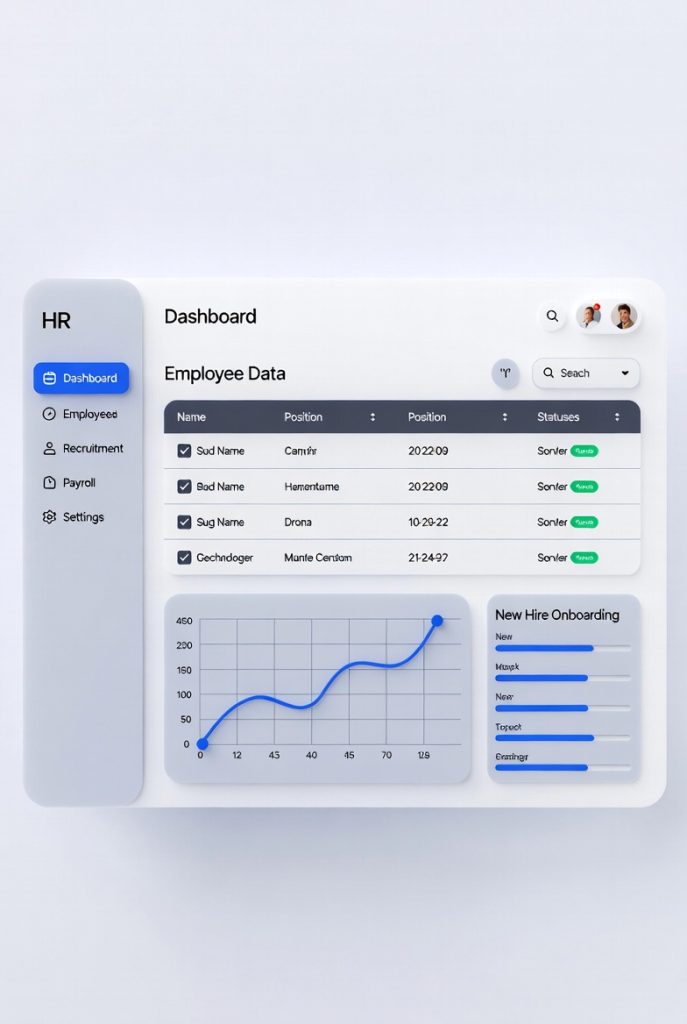
Once access is established, users encounter a structured environment emphasizing clarity and usability. Common elements include:
- Dashboard: A summary of tasks, notifications, and relevant sections.
- Menu panels: Organized by function, such as employee records, time tracking, and reports.
- Search functionality: Quick access to records or processes without navigating menus manually.
- Contextual help or tooltips: Providing guidance on unfamiliar features.
Educationally, understanding these interface elements supports efficient navigation and comprehension of system design.
Role-Based Access and Visibility
One of the most important features in HR platforms is role-based visibility. Different users may see different menus or options depending on their assigned permissions.
- Administrative roles: Access to all records and configuration settings.
- Manager roles: Limited to teams or departments under their supervision.
- Employee roles: Access primarily to personal records and workflow tasks.
BambooHR uses role-based logic to ensure information is properly segmented and aligned with organizational hierarchy.
Comparison with Other Platforms
Neutral comparisons help illustrate general patterns in HR systems. Other platforms often share structural similarities:
- Centralized dashboards for overview purposes.
- Predefined workflows for onboarding and task management.
- Role-specific permissions controlling visibility.
- Focused, informational layouts rather than interactive or marketing-heavy designs.
This comparison highlights that while BambooHR has unique UI features, its underlying educational principles are broadly applicable.
Conclusion
BambooHR serves as a clear example of how digital HR platforms structure employee information, facilitate onboarding, and implement role-based access. By analyzing interface design and organizational logic, users can develop a neutral, educational understanding of such systems.
Disclaimer: This post is for educational and informational purposes only and does not provide financial advice or investment guidance.